
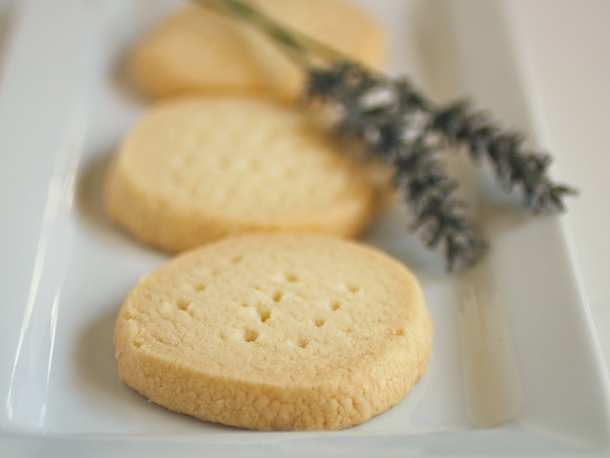
Shortbread was the first recipe I learned to make- all by myself- as a young girl. Considering the ingredients, it isn’t difficult to see why. What can go wrong with just- butter, flour, sugar, and salt- (we often added an egg, but it is not necessary).
This simple recipe has been enjoyed the world over and was a holiday favorite at Christmastime. I remember being away one summer at camp, high in the Sierra Mountains, and one of the first packages I received from home was a box of these cookies. Needless to say, I was an instant hit with my mates.
My paternal grandmother, from northern Louisiana, made a similar version of these cookies – commonly called tea cakes. No doubt a reference to the character in Zola Nealy Hurston’s “ Their Eyes Were Watching God. ” Tea cakes were commonly served at Tea Time with lemonaid and or tea. Some version of these butter cookies are common in many parts of Europe and Latin-America, ie Dannish butter cookies, and a type of Pan Dulce-Polvorón.
” A polvorón (From polvo, the Spanish word for powder, or dust; Cebuano: polboron; Tagalog: pulburón) is a type of heavy, soft, and very crumbly Spanish shortbread made of flour, sugar, milk, and nuts (especially almonds). They are mostly produced in Andalusia, where there are about 70 factories that are part of a syndicate that produces polvorones and mantecados. Under the name mantecados, these sweets are a traditional preparation of other areas of the Iberian Peninsula as well. Polvorones are popular holiday delicacies in all of Spain as well as its former colonies in Latin America and the Philippines.”
According to Wikipedia, “Shortbread is a traditional Scottish biscuit usually made from one part white sugar, two parts butter, and three parts oat flour. . .” Shortbread originated in Scotland, with the first printed recipe, in 1736, from a Scotswoman named Mrs McLintock. Shortbread is widely associated with Christmas and Hogmanay festivities in Scotland, and the Scottish brand Walkers Shortbread is exported around the world. As a Scottish brand, shortbread is sometimes packaged in a tartan design, such as Royal Stewart tartan . . ”
“Shortbread resulted from medieval biscuit bread, which was a twice-baked, enriched bread roll dusted with sugar and spices and hardened into a hard, dry, sweetened biscuit called a rusk. Eventually, yeast from the original rusk recipe was replaced by butter, which was becoming more of a staple in Britain and Ireland. Although shortbread was prepared during much of the 12th century, the refinement of shortbread is credited to Mary, Queen of Scots in the 16th century. This type of shortbread was baked, cut into triangular wedges, and flavored with caraway seeds. See also Millionaire’s shortbread, shortbread covered with caramel and chocolate.”
References
https://en.wikipedia.org/wiki/Shortbread, https://en.wikipedia.org/wiki/Polvor%C3%B3n
See also the history of Walker’s band, note the site can be read in different languages, and there is a vegetarian section-kudo! https://www.walkersshortbread.com/uk/
House of Polvoron http://houseofpolvoron.com
 FOOD FROM ABROAD